Need Waterproofing Help? Call: (860) 875-6646
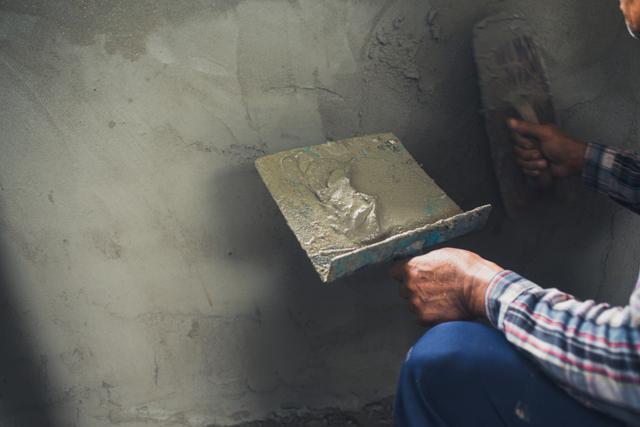
Can you fix a leaking basement on your own, or does the DIY approach just delay what the problem actually needs? We've walked into a lot of basements where a homeowner already tried fixing things themselves.
Hydraulic cement in a wall crack, waterproofing paint on a damp block wall, and a drainage channel from the hardware store that looked convincing on the package. In most cases, the water was still coming in, and the question is always the same: why didn't it work?
The reason is that most DIY products treat what you can see, not what's driving the problem underneath. In Connecticut, where clay-heavy soil holds water against foundations for days and freeze-thaw cycles chip away at cracks all winter, fixing the source versus the surface matters quite a bit.
Some DIY fixes help, at least for a while. Others just create a false sense of progress. That's usually when trusted waterproofing services in Manchester start making a lot more sense, since the goal is to stop water where it starts, not just patch what you see.
Most homes in Manchester and the surrounding Hartford County area were built between the 1940s and 1980s, and they've been in contact with Connecticut soil ever since. That soil is clay-heavy in many areas, which means it doesn't drain quickly after rain. When it becomes saturated, water doesn't absorb and move on. It stays against the foundation wall and builds.
That pressure is called hydrostatic pressure, and it drives the majority of basement water problems we see. It pushes water through the floor-wall joint, up through slab cracks, and through any gap in the foundation.
Applying something to the inside surface doesn't change what's happening on the outside. Connecticut's freeze-thaw cycle makes existing cracks worse over time, and knowing how to repair wall cracks properly matters more here than in most climates.
Water works into a small crack in fall, freezes and expands in winter, and opens the crack a little wider by spring. After enough cycles, that becomes a pathway that no amount of surface patching will close for good.
Correcting the grade around the house is one of the most effective things a homeowner can do without professional help. The soil against the foundation should slope away from the house at roughly six inches over ten feet.
If it's flat or tilting toward the house, rainwater and snowmelt drain straight toward your basement wall with every storm. Adding topsoil to establish a proper slope is a weekend project, and it reduces how much water the foundation has to contend with on a consistent basis.
Extending downspouts deserves the same attention. A downspout that ends right next to the house pushes hundreds of gallons of roof runoff into the soil directly against your foundation after every rain.
Moving the discharge at least four feet from the wall costs little and makes a real difference. Keeping gutters clean so they don't overflow and dump water along the full length of the foundation line is part of the same effort, and these easy DIY fixes are worth tackling before assuming a bigger repair is needed.
None of this is complicated, but we see its absence contributing to water problems in homes across Hartford County on a regular basis.
Where DIY Products Fall Short
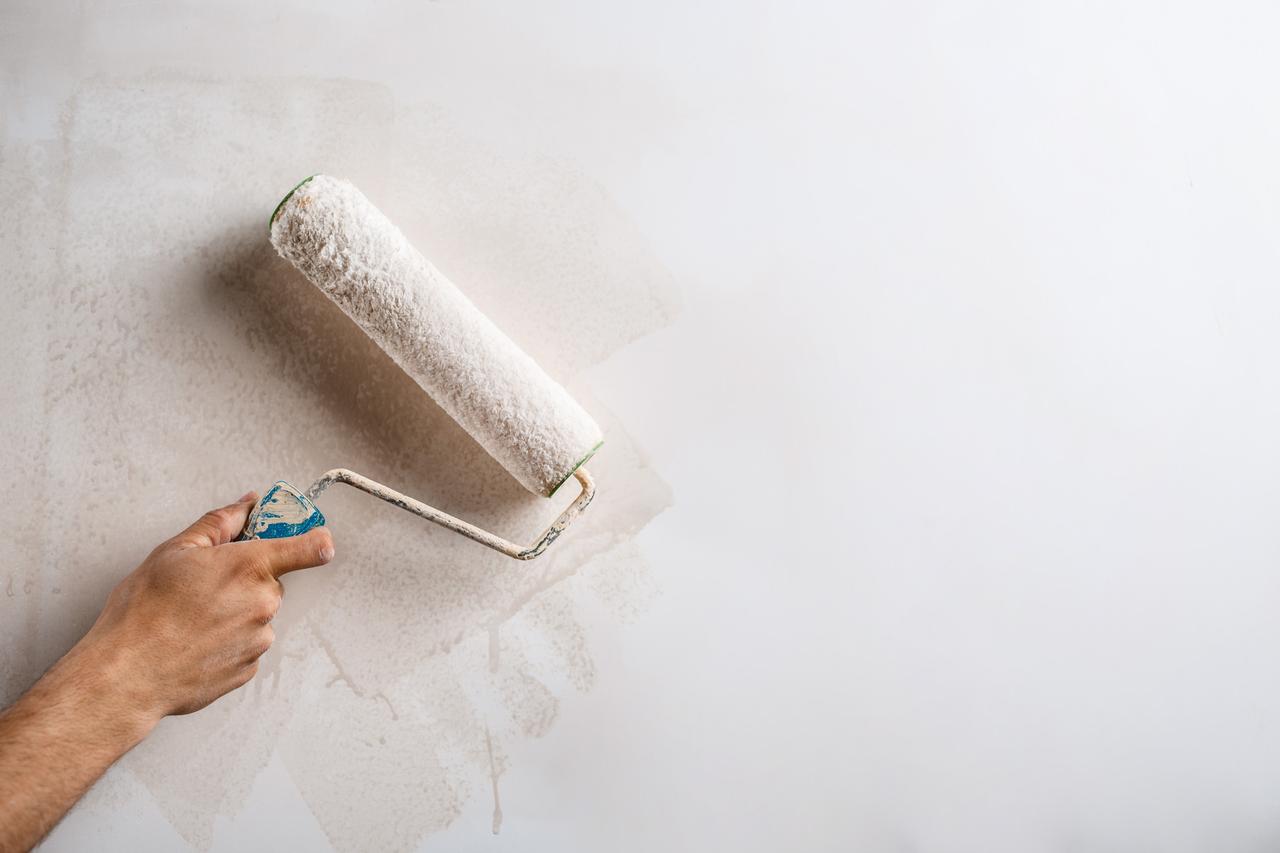
Masonry waterproofing paint is probably the most widely used and most frequently misunderstood product in this category. Products like these work as vapor barriers on walls that have minor surface dampness with no active infiltration. They are not made to stop water pushing through under hydrostatic pressure.
When water has real force behind it, a coating on the inside wall will blister and peel. We see this regularly in homes where it was applied a few years back, and the homeowner assumed the problem was behind them. The water didn't stop. It found another route.
Hydraulic cement fills a narrow but real use case. It can plug a specific active pinhole leak at a single spot. What it won't do is bond reliably to a wet surface over time, stop water from opening the next gap a few inches away, or hold in a crack that keeps moving with temperature shifts and soil pressure.
Cracks in a foundation move. Rigid patches reopen. Above-floor drainage channel systems have a similar limitation. They collect water that's already inside and route it to a sump pump, but they don't lower the water table beneath the slab.
Real basement seepage repair uses perforated pipe below the floor in washed stone, adjacent to the footing. That changes what's happening under the slab. An above-floor channel doesn't.
Noticing water pooling near your foundation after a spring downpour or snowmelt? Give us a call at (860) 875-6646, and we'll help you figure out what's really going on before it turns into a bigger problem.
Horizontal cracks in a foundation wall are a clear signal to get a professional look before doing anything else. Vertical cracks are common and usually come from concrete shrinkage or normal settling over time.
Horizontal cracks form because lateral soil pressure is pushing against the wall hard enough to cause inward movement. That's a structural issue, not a surface one, and it typically doesn't stabilize without intervention.
Water appearing consistently at the floor-wall joint after rain, even after grading has been corrected and downspouts extended, tells you hydrostatic pressure is coming from below the slab. That requires a drainage solution beneath the floor, not anything applied to the surface.
Mold that returns after cleaning is another signal. So is efflorescence, the white chalky mineral deposits that form on masonry walls. There's no visible drip with efflorescence, but those deposits appear when water repeatedly moves through the wall and evaporates.
They're a record of water that has been passing through long enough to leave a mark, and they tell you the source hasn't been addressed.
When we come out to look at a basement, the first job is figuring out where the water is entering and why. Those aren't always the same answer, and both matter before any repair gets discussed.
A wet floor near the wall isn't automatically a wall leak. A damp wall doesn't automatically mean the exterior has failed. The diagnosis has to be right before the repair can work.
Jon Piela, our owner, handles every estimate personally. He's been doing this work for over thirty years, building on fifty years of family experience from the two generations before him.
When he walks through your basement, he's looking at the entry points, the foundation type, the drainage situation, and what the soil around the house is doing. There are no commissions involved and no standard packages to steer you toward. If a single crack injection is all the home needs, that's what he'll say.
We've been in Manchester since 1976, and the one thing that has kept Eastern Waterproofing Co., Inc. here for fifty years is telling homeowners the truth about what's wrong with their basement.
Here are answers to questions we hear regularly from Manchester-area homeowners dealing with basement water problems.
Does waterproofing paint work on a wet basement wall?
Masonry waterproofing coatings work on walls with minor surface dampness and no active water infiltration. They are not designed to stop water pushing through under hydrostatic pressure. When water has force behind it, a coating applied to the inside surface will eventually fail.
What causes water to come up through the basement floor?
Floor-level seepage is caused by hydrostatic pressure, which is groundwater pushing up from saturated soil beneath the slab. It is not the same as a wall leak and requires a drainage system installed below the floor, not a surface patch or above-floor channel.
Is one sump pump enough for most Connecticut basements?
One sump pump handles approximately 3,000 gallons of water per hour under normal residential conditions. Two pumps are rarely necessary. If a contractor recommends two without explaining specifically why your home requires it, ask for that reasoning before agreeing.
Can I fix a foundation crack myself?
Surface patching with hydraulic cement can slow a pinhole leak temporarily at one specific spot. It doesn't address the cause and typically won't hold long-term in a crack that continues to move with temperature and soil changes. Proper crack repair involves injecting material under pressure directly into the crack, which requires professional equipment and a judgment call on the right material for that specific crack type.
How long has Eastern Waterproofing been serving Manchester and Hartford County?
We've been serving homeowners in Manchester and throughout Connecticut since 1976. As Eastern Waterproofing Co., Inc., we are a third-generation, family-owned business based right here in Manchester.
We're here to assist you with all your waterproofing and drainage needs. Whether you're dealing with basement dampness, crumbling concrete, or window well leaks, our experienced team is ready to help.
Call Us: (860) 875-6646
Email Us:
Visit Us: Our office is located at 199 Adams St., Manchester, CT 06042
Business Hours: Monday to Friday, 8:00 AM to 4:00 PM
For your convenience, you can also contact us via our online form. At Eastern Waterproofing, we value your privacy. Rest assured, we do not sell or share your contact information with third parties.
Related Topics: