Need Waterproofing Help? Call: (860) 875-6646
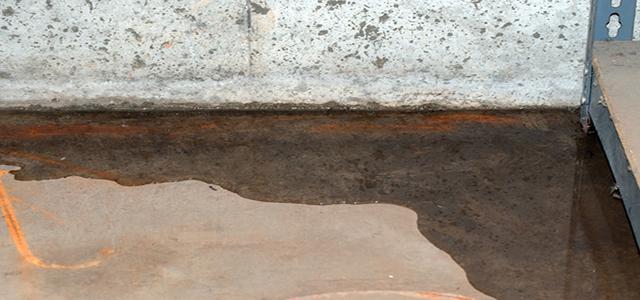
Water seeping through your basement floor can cause serious damage if you don't address it quickly. The problem usually starts with cracks, poor drainage, or foundation issues that let moisture in. A leading waterproofing company can help you identify the problem and fix it properly. This post covers practical methods to stop basement floor seepage, from identifying the source to installing drainage systems. By the end, you'll know what steps to take to keep your basement dry.
Start by doing a careful visual inspection of your basement floor to find any cracks or gaps in the concrete. Check the entire floor surface and pay close attention to spots where water tends to pool. Grab a flashlight to see into dark corners and spot any openings you might miss otherwise. Measure the width and depth of any cracks you find. This information helps determine the best repair approach. Look for signs of moisture or discoloration around these areas, which indicate ongoing water intrusion. Take notes and photos to document everything. Once you understand the condition of your basement floor, you can figure out why water is seeping in and plan the right fix.
Installing a French drain system along the perimeter of your basement floor is one of the best ways to manage drainage. A French drain uses a perforated pipe surrounded by gravel and filter fabric to prevent clogs. This system collects groundwater and redirects it away from the basement, stopping seepage at the source. Make sure the drain has the right slope and placement, so water flows where it should. Adding a sump pump can further boost drainage by pumping out any water that collects. Keep up with regular maintenance, clean the drain, and check for blockages to make sure everything keeps working. These drainage fixes can significantly reduce water seepage problems.
Using specialized sealants to fill cracks and gaps in your basement floor creates a watertight barrier against seepage. Before you apply anything, clean the area thoroughly to remove debris, dust, or loose particles that could compromise the sealant. Apply the sealant generously, ensuring it fills the entire crack or gap. Smooth it out to create an even surface and let it cure according to the product instructions. Check sealed areas regularly for wear or damage and reapply sealant when needed to keep the seal intact. Taking the time to seal cracks properly goes a long way toward preventing water from getting through your basement floor.
A sump pump system is one of the most effective tools for managing water buildup in your basement.
A sump pump keeps your basement dry by redirecting water away from your home's foundation. Proper installation and regular maintenance are key to ensuring the system protects your basement from water intrusion.
Exterior waterproofing adds another layer of defense against moisture getting into your basement. This method creates a barrier outside your foundation walls to prevent water from entering. The process usually involves digging around the perimeter of your home and applying a waterproof coating or membrane to the foundation walls. Installing an exterior drainage system, such as a French drain, can also redirect water away from the foundation by preventing water from the outside. Exterior waterproofing complements interior solutions like sump pumps to provide your basement with full protection against seepage.
Hiring waterproofing professionals can help you address water seepage in your basement more effectively. These experts have specialized knowledge and can offer solutions tailored to your specific situation. Here's what you get from professional help:
Getting professional input can give you peace of mind and a solution that actually holds up over time.
Related Topics: