Need Waterproofing Help? Call: (860) 875-6646
Basement leaks where the wall meets the floor are a common headache for homeowners. Water can seep through cracks and gaps in this joint, leading to moisture problems, mold, and structural damage over time. South Windsor's trusted waterproofing services can help identify the source and fix the issue before it gets worse. This post covers how to find leaks, seal cracks, install drainage systems, and apply sealants that actually work. Following these steps will help you protect your basement from ongoing water intrusion.
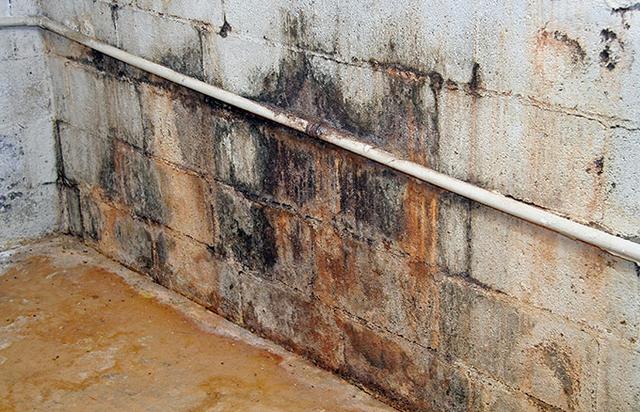
To find the source of your basement leak, start with a careful visual inspection of the wall-floor joint. Look for dampness, water stains, or mold growth along the area where the wall meets the floor. Grab a flashlight and check the entire perimeter. Look for cracks, gaps, or holes that could let water in. Pay attention to any discoloration or white mineral deposits on the walls or floor. Finding the exact spot of the leak helps you pick the right repair method. Take notes and photos to help guide the repair process. A detailed inspection makes all the difference.
Carefully inspecting wall and floor cracks is a key part of fixing basement leaks at the wall-floor joint. Start by cleaning out the cracks with a wire brush, then vacuum to remove debris. Then apply an epoxy or polyurethane sealant into the crack using a caulk gun, making sure it fills the whole gap. Smooth it out with a putty knife and let it cure according to the product instructions. For bigger cracks, hydraulic cement mixed to a paste works well to seal the gaps. Make sure you have good ventilation when using these materials. Sealing cracks properly prevents more water from entering your basement.
Fixing basement leaks between the wall and the floor sometimes means installing an interior drainage system. These systems handle water infiltration by collecting water that seeps through walls or floors and sending it to a sump pump for removal. To install one, you dig a trench along the perimeter of the basement floor, usually next to the footing. A perforated pipe goes in the trench, surrounded by gravel, so water flows easily. This pipe connects to a sump pump that pushes the collected water away from your foundation. A properly installed interior drainage system can significantly reduce basement leaks at the wall-floor joint.
Better exterior drainage makes your basement waterproofing efforts work harder. Good drainage outside your home stops water from seeping into the basement through the wall-floor joint. Start by making sure your gutters are clean and clear, so water flows away from your foundation. Extend downspouts at least 6 feet from the house so water doesn't pool near the basement walls. Grade the soil around your home so it slopes away from the foundation at least 6 inches of drop within the first 4 feet. If you have persistent water buildup near your basement walls, consider installing French drains or a curtain drain system. Solid exterior drainage significantly reduces the risk of basement leaks.
A waterproofing sealant can effectively seal basement leaks between the wall and floor. These sealants create a barrier against moisture, preventing water from entering cracks and gaps. Before you apply anything, make sure the area is clean and dry so the sealant sticks properly. Follow the manufacturer's instructions for whatever product you choose. Apply the sealant generously along the joint where the wall meets the floor, using a caulking gun or brush as directed. Work your way around the entire affected area, paying close attention to any visible cracks or openings. Let the sealant dry completely before testing how well it holds. You may need to reapply periodically to keep the seal intact.
For a deeper assessment and specialized know-how on basement leaks between the wall and floor, bringing in a professional makes sense. Pros have the knowledge and tools to accurately diagnose the source of the leak and recommend the best fix. Their experience with similar issues enables them to offer targeted solutions tailored to your specific situation. A qualified expert can do a thorough inspection, spot any foundation problems contributing to the leak, and lay out a detailed repair plan. Their expertise helps you avoid unnecessary costs and ensures the repair is done right the first time, giving your basement lasting protection.
Related Topics: