Need Waterproofing Help? Call: (860) 875-6646
Foundation wall leaks can cause serious damage to your home if left unchecked. Water seeping through cracks leads to mold growth, structural problems, and expensive repairs down the line. This post covers the common causes of foundation leaks, warning signs to watch for, and both DIY and professional fixes. A local waterproofing service can assess your situation and recommend the best approach for your specific problem. We'll also go over maintenance tips to keep your foundation dry for years to come.
Poor drainage around your home is one of the biggest reasons foundation walls start leaking. When rainwater doesn't flow away from the foundation properly, it builds up around the walls, creating pressure that pushes water through any weak spots. Ground that slopes toward your house rather than away from it makes this problem worse. Cracks in the foundation walls themselves are another major issue; these can develop from the house settling, freeze-thaw cycles, or shoddy construction. Catching and fixing these problems early prevents bigger damage later. Good drainage, foundation repairs, and proper waterproofing all help stop leaks before they get out of hand.
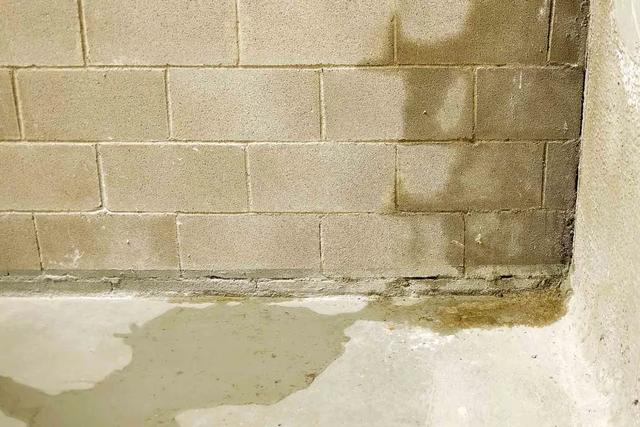
Spotting foundation wall leaks early prevents major structural damage. Water stains or damp spots on basement walls are usually the first thing homeowners notice. Cracks in the foundation, whether they run vertically, horizontally, or in a stair-step pattern, can point to leak problems, too. If you see efflorescence (that white powdery stuff on walls caused by water moving through concrete), you've likely got water getting in somewhere. Mold growth, musty smells, or a sudden spike in basement humidity are other warning signs. Keep an eye out for any of these so you can catch leaks before they turn into bigger headaches.
Proper waterproofing prevents water from getting where it shouldn't. Start by making sure the ground around your foundation slopes away from the house. A drainage system, such as a French drain, helps manage excess water before it reaches your walls. Seal any cracks or gaps in the foundation with hydraulic cement or epoxy injections to prevent water from seeping through. Adding a waterproofing membrane or coating to the exterior of your foundation provides an additional layer of defense. Regular gutter cleanings, downspout checks, and smart landscaping choices also prevent water from pooling near the foundation. Taking these steps seriously significantly reduces your risk of foundation wall leaks.
You can tackle some foundation wall leaks yourself without breaking the bank. Start by checking the outside of your foundation for visible cracks or gaps. Fill these with hydraulic cement, which expands as it dries, sealing the space tightly. For smaller leaks, apply waterproof sealant to the inside of the wall, making sure to cover everything completely. A waterproofing membrane adds extra protection against moisture. Extending your downspouts so they discharge farther from the foundation and fixing your yard's grading also help prevent future leaks. These DIY fixes work well as a short-term solution until you can get a professional to take a closer look.
DIY fixes can address minor issues, but persistent or serious leaks require professional attention. Here are three solutions the pros use:
Staying on top of routine maintenance keeps foundation wall leaks from becoming a problem. Check your foundation walls regularly for cracks, gaps, or water damage. Seal any visible cracks with polyurethane caulk or hydraulic cement. Keep gutters and downspouts clear of leaves and debris, and make sure they direct water away from the house. Grade the soil around your foundation so it slopes away from your foundation. This stops water from pooling against the walls. Monitor soil moisture levels across your property and maintain proper drainage to prevent oversaturation. A sump pump or French drain system offers extra protection against water buildup. Keeping up with these tasks means fewer leak problems in the long run.
Related Topics: