Need Waterproofing Help? Call: (860) 875-6646
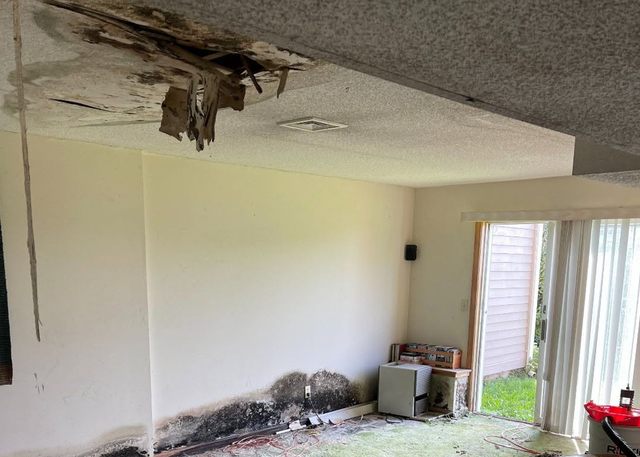
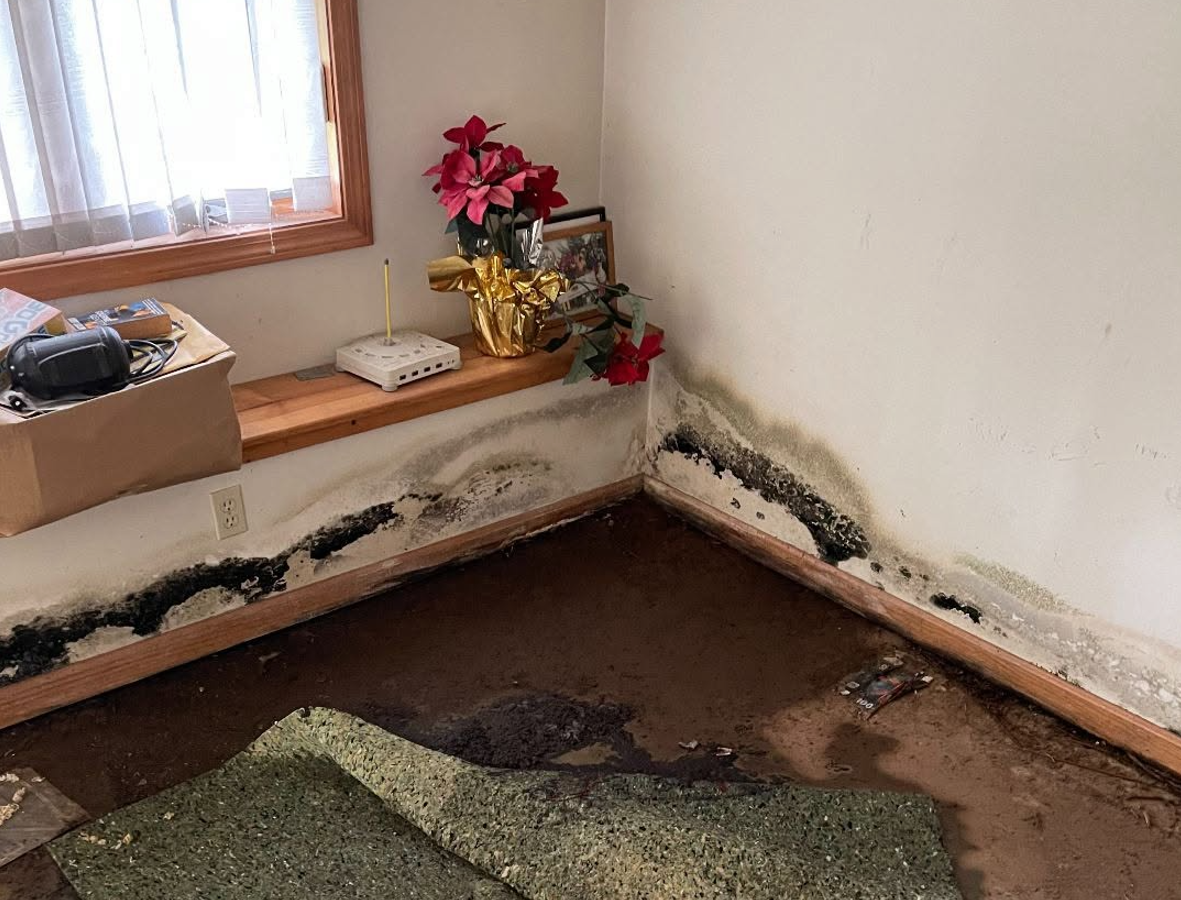
A wet basement reads as a household inconvenience. You clean it up, note where it came from, and deal with it until next time. What gets lost in that framing is what the water is actually doing during the time between storms, between seasons, across the years a problem gets managed rather than fixed.
Concrete changes when it absorbs and releases moisture repeatedly. Foundations respond differently when the soil pressing against them is chronically saturated. Cracks that form from normal pressure or thermal movement, you know, just get wider with each season that passes without intervention.
We've been doing this work in Manchester and across Connecticut since 1976. The structural conversations that tend to matter most aren't the ones where something has already gone severely wrong. They're the ones where a homeowner calls because they noticed something and just want to understand what they're looking at before it gets worse.
That earlier call is almost always less costly. Our expert waterproofing services exist exactly for that moment, when the problem is still manageable, and the fix is still straightforward. Here's what the progression looks like when that call isn't made.
Concrete is not impermeable. It has a porous structure that allows moisture to move through it, given enough pressure and time. As groundwater presses against the outside of a foundation wall, some of that moisture finds its way through.
It evaporates on the interior surface and leaves mineral deposits behind, the white chalky residue called "efflorescence" that appears on basement walls. That residue is not a cosmetic problem. It's a record of repeated moisture movement through the material, and the material is responding to it.
With every wet season, the process continues. In poured concrete walls, the areas around shrinkage cracks absorb more water than the surrounding concrete and soften over time. In block foundations, mortar joints begin to fail before the blocks themselves, and the gaps that open up allow water to move more freely with each cycle. Neither of these changes is sudden. They build across years, and they don't look structural until they are.
Not every crack in a foundation wall signals a structural problem. Vertical cracks in poured concrete are common. They form as concrete contracts during curing, and while they let water in, they often don't mean the wall itself is under stress. The wall cracks and seams we close through crack injection are frequently exactly this: entry points that need to be sealed, but not signs that the wall is failing structurally.
The cracks that warrant a different level of attention follow different patterns. Horizontal cracks form when lateral soil pressure pushes against the wall from outside with more force than the wall was built to absorb indefinitely. A horizontal crack that is present, widening, or appearing in multiple places along the same wall belongs in a separate category.
Diagonal cracks running from the corners of window or door openings often point to differential settling, where one section of the foundation is moving at a different rate than the rest. The pattern of a crack gives you its cause if you know how to read it. That reading is the diagnostic work Jon, our owner, does at every estimate before any scope or price is discussed.
Floor-Level Seepage Creates Problems That Are Not Visible at the Surface
Water entering at floor level is often misread as a surface drainage problem. At its root, it is a pressure problem. Groundwater in the surrounding soil builds hydrostatic pressure beneath and against the foundation slab.
When that pressure exceeds what the slab can contain, water finds its way through floor cracks, through the joint where the floor meets the wall, or through sections of the slab that are thinner or weaker than the surrounding concrete.
The structural concern here extends beyond the wet surface. Sustained hydrostatic pressure building beneath a slab can, over time, cause the floor to crack, heave, or shift. Water moving under the slab can erode the soil that supports it, creating voids the concrete eventually settles into.
Floor-level seepage repair done correctly uses a below-floor perforated pipe drainage system set in washed stone, pitched to a properly sized sump pump. It addresses the problem by lowering the water table beneath the slab, taking the pressure off before it compounds, rather than simply redirecting water after it has already arrived.
A vertical crack in a poured concrete wall, sealed through crack injection while it is still a single entry point, is a few hours of work. That same crack, left for another five years while water moves through it through every wet season, may have softened the concrete on either side, drawn moisture into the framing nearby, and opened wide enough that injection alone no longer addresses the full problem.
This is where the long-term cost of water damage gets built. A homeowner who noticed a wall leak three or four years ago, managed it with a bucket, and called when the wall started looking different is now working with a larger scope than would have been needed earlier.
Foundation and masonry repair following sustained water intrusion takes more time, more disruption, and more cost than the earlier intervention would have required. The structural consequence of water damage scales with how long the source was left active.
The structural integrity of a foundation does not hold up well to a wrong diagnosis. A coating applied over active seepage will fail. A surface patch over a crack that is still moving will open again. These aren't material failures. They're assessment failures, repairs that addressed a visible symptom without identifying what was causing it.
Jon Piela personally evaluates every job we take on. His background as a Connecticut P7 licensed plumber and WRT-certified Water Remediation Technician shapes every assessment he makes. He looks at what the home is actually showing: where water is entering, what pressure is behind it, and how the foundation has responded over time.
Homeowners who call us after a prior repair didn't hold almost always leave the first visit with a clearer picture of what was missed and what the correct fix is. We go back to the beginning every time, because that's the only way to end up in the right place.
Related Topics: