Need Waterproofing Help? Call: (860) 875-6646
Homeowners often look at a waterproofing estimate and think of it as an expense. That's a reasonable first reaction. The number on the page is real, and it's going out the door. What's harder to see in that moment is the number that doesn't leave because the work was done, and the number that eventually will if it isn't.
Water damage doesn't declare itself all at once. It builds in small increments, each one adding a cost that gets absorbed as part of normal homeownership. Until it isn't. At that point, the math has already shifted, and it rarely shifts in your favor. Understanding why waterproofing is a cost-control decision, not just a repair decision, changes how the estimate looks.
As a reliable waterproofing company serving Manchester and across Connecticut since 1976, we've seen both sides of that decision play out. The homeowners who get the most value from working with us are, consistently, the ones who called before the situation required an expensive answer.
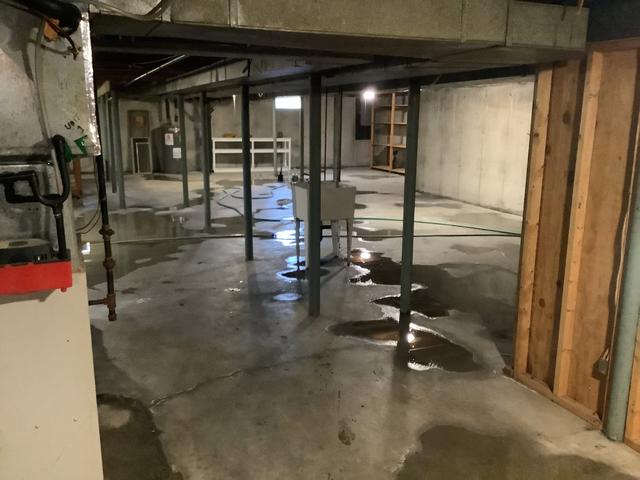
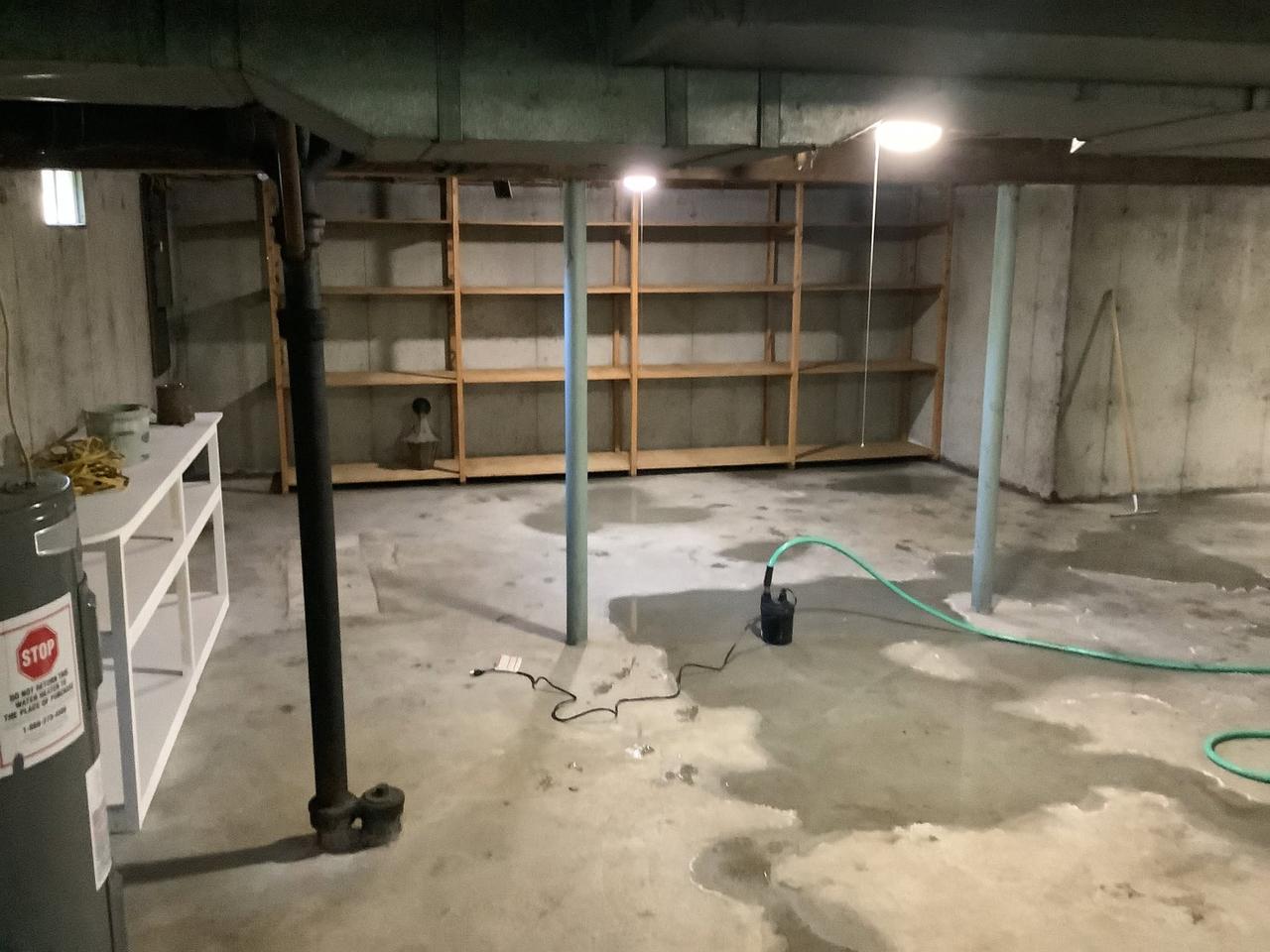
A wet basement that doesn't get addressed still costs money. It just spreads the cost out in ways that don't feel connected to the original problem. A high-capacity dehumidifier running through every humid month of the year draws real electricity.
Replacement of ruined storage materials, damaged belongings, or warped shelving happens on a quiet, irregular schedule that most homeowners don't track as a single line item. A surface patch that holds for one season and requires attention again the next represents a repair cost that gets paid more than once without ever producing a lasting result.
These recurring costs are hard to total because they accumulate over years and rarely show up as a single bill. What they add up to, across a decade of managing a problem that hasn't been fixed, is often more than the repair that would have ended the cycle entirely. That's the arithmetic of deferred waterproofing, and it plays out the same way in basement after basement.
Chronic moisture in a basement creates conditions where mold can establish itself without any dramatic flooding event. Sustained humidity is enough. Once mold takes hold in framing, insulation, or stored materials, removing it requires professional remediation, and that remediation carries a real cost. It involves containment, removal of affected materials, surface treatment, and in some cases replacement of structural components that have absorbed damage over time.
A dry basement prevents this cost category entirely. The interior drainage systems we install work by lowering the water table beneath the slab, removing the moisture source rather than managing its symptoms. Floor-level seepage that stops is humidity that never builds. Mold that never gets established is remediation that never gets billed.
The clearest financial argument for addressing water intrusion early is what happens to repair costs when it isn't. A vertical crack in a poured concrete wall that gets sealed today through crack injection is a contained, precise repair.
That same crack, left open through several more wet seasons while water moves through it repeatedly, may have softened the surrounding concrete, drawn moisture into adjacent framing, and contributed to wall movement that now requires a different and more involved scope of work.
The wall cracks and seams we close at the moment they're first noticed cost less to fix than the same issues addressed after years of continued water movement. Foundation and masonry repair that follows sustained water intrusion is categorically more expensive than the waterproofing that would have slowed the deterioration in the first place. That relationship between timing and cost is the single most consistent pattern we see in the work we do across Connecticut.
A Wrong Diagnosis Costs You the Repair Plus the Re-Repair
Not all of the financial risk in waterproofing comes from the water itself. Some of it comes from how estimates get produced in this industry. A commissioned salesperson working from a standardized system has a financial incentive to recommend that system regardless of what the home actually needs.
A wall leak through a specific crack and floor-level seepage from hydrostatic pressure are different problems that require different repairs. A homeowner who gets the wrong one installed pays for that repair and then, when it doesn't hold, pays for the correct one too.
That's the cost of a wrong diagnosis, and it's the reason our owner, Jon Piela, personally evaluates every job before any price is discussed. He holds a Connecticut P7 Plumber license and is a WRT-certified Water Remediation Technician, with over 30 years of hands-on experience in this region. His evaluation is a diagnostic exercise, not a sales call.
There's no commission involved, which means there's no financial incentive to recommend more than what the home actually requires. One correct repair, scoped accurately to the actual problem, costs less than two.
Water intrusion that surfaces in a home inspection creates leverage for the buyer and puts the seller in a reactive position. Every flagged item in an inspection report is a negotiating variable, and water intrusion evidence, whether it's active staining, efflorescence, or a previously patched area, tends to carry weight. The cost to the seller isn't just the repair. It's the repair done under deadline pressure, often with less control over scope and contractor selection.
Homeowners who address water intrusion before a sale enter the process in a different position. Dampness and wall coating issues that might have given an inspector pause are no longer present. The work is documented. That clarity removes a negotiating variable from the transaction entirely, and the financial value of that tends to show up in how cleanly the closing proceeds.
The economics of waterproofing come down to a straightforward comparison. A correct repair, done once, at the right time, costs less than an incorrect repair followed by a correct one, or a correct repair done after the damage has had more time to compound. The gap between those outcomes is where the long-term savings actually live.
Our crews average more than 12 years with us. We carry a 4.9-star rating across 118 verified Google reviews. The work is backed by a guarantee from a company that has operated continuously since 1976, under the same family, in the same community. Homeowners who call us tend to call us again, and the ones who call us early tend to spend the least.
Related Topics: