
Water has a way of finding the easiest path into your home, and basement walls tend to be the most common entry point. You might notice a damp spot one day, ignore it for a week, and suddenly you're dealing with mold growth and structural concerns that could have been avoided. Wall leak repair isn't something most homeowners think about until they're standing in a puddle, but catching these issues early makes a huge difference in both cost and long-term damage.
Eastern Waterproofing Co., Inc. has been handling wall leakage problems throughout Connecticut and Western Massachusetts since 1976, offering reliable waterproofing services in South Windsor, CT and the surrounding region. Our team sees water seeping through concrete walls, cracks spreading across foundation surfaces, and moisture buildup that homeowners didn't even realize was happening. The thing is, most people assume a small crack isn't a big deal. They will simply apply silicone caulk to the crack and hope for the best outcome. A few months later, the same problem comes back, sometimes worse than before.
Wall leaks, especially in poured concrete walls, generally occur around poorly sealed openings in the foundation or through cracks and seams.
Poorly sealed openings are commonly found around water/wellpipes, sewer/septic pipes, form ties (the small metal rods that are positioned in rows on the wall), and electric/well pump wires.
A properly prepared surface and a two-part patch consisting of hydraulic cement followed by a plaster coat will solve many of these leaks.
However, it is often necessary to dig up the problem area and patch it from the outside.
Generally, the smaller and higher up on a wall a leak is, the easier it is to successfully patch from the inside.
Conversely, the lower and larger leaks should be repaired from the outside. This method is partly due to the fact that patching from the inside stops water at the surface, but it still gets into the concrete wall. When the patch is low on the wall, it is subjected to greater pressure acting to push the patch off the wall.
When patched from the outside, a tar coat and a poly vapor barrier are added to the patch and the water is kept from entering the wall entirely. Often an inside patch that is holding back a lot of water will show signs of dampness, since the water is just an inch or so away.
This dampness is non-existent with an outside patch. Careful attention is the key to spotting these types of leaks. Many of them only leak for a short period of time and often, when they are low on the wall, don't start leaking until many hours after the rain has started.
Check frequently with good lighting and use your hand to feel the wall and theunder sides of pipes. Sometimes making a heavy chalk line under something you suspect is leaking will cause water to leave a run mark and help in identification. Surface preparation is the key to proper, successful patching and the reason a professional should be used in most cases.
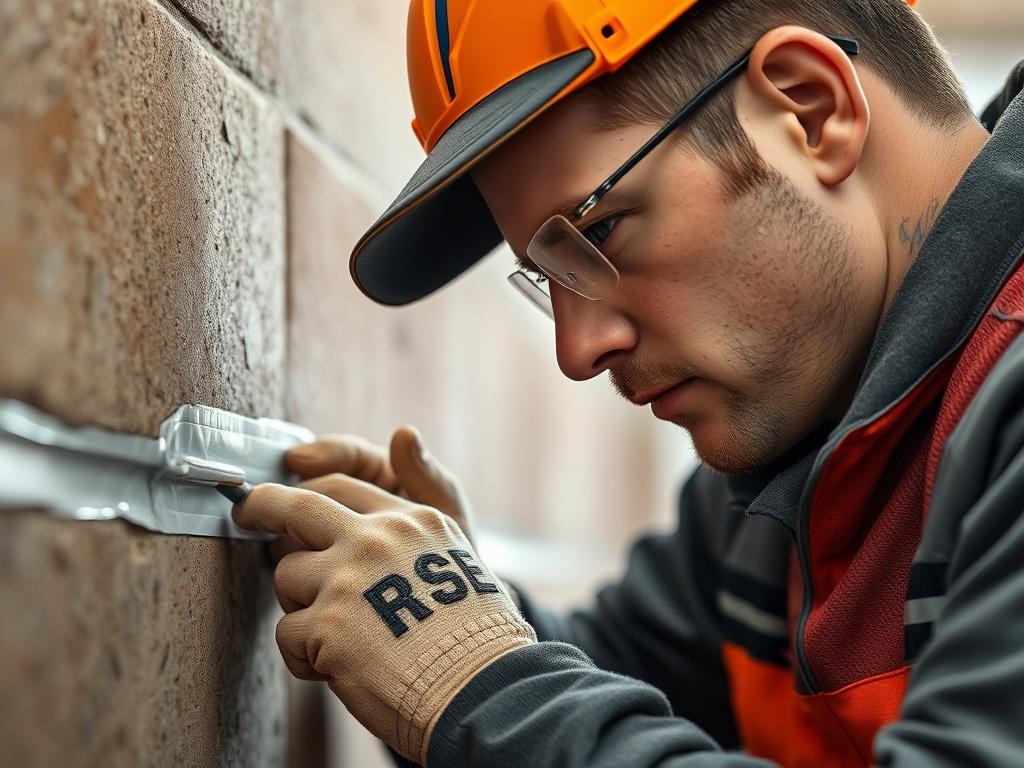
We have the pneumatic tools for chiseling out the area to be patched and chipping and scarifying the surrounding area. The entire area is then wire brushed, acid washed, and rinsed, and the various patch coats are applied.
Eastern Waterproofing Co., Inc. would be happy to quote this type of work for you and provide references and a free written proposal.High performance wall coating products are basically designed to be your walls' best friend against these moisture headaches. By creating this tough barrier, kind of like giving your walls a protective shield, these coatings make it so much easier to maintain your building's appearance and keep everything structurally sound, even when you're dealing with environments where moisture buildup just won't quit. This is especially huge in commercial settings, where dampness can quickly snowball into a bigger mess, affecting not just how things look but also the overall freshness and comfort of your space.
Applying the right wall coating is honestly a no-brainer way to add that extra layer of protection your walls need. It's simple but really effective at making sure your walls stay strong and beautiful for years down the road. Whether you're tackling the exterior or interior, investing in quality coatings helps stop moisture from causing those long-term headaches, so you can easily keep your building looking its absolute best without all the stress.
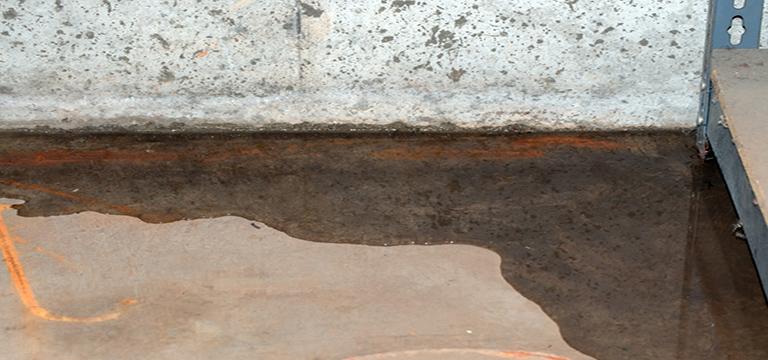
Concrete walls aren't as solid as they appear. The material is porous, meaning water can gradually push through over time, especially when hydrostatic water pressure builds up against the exterior walls. Heavy rainfall, melting snow, and poor drainage all contribute to this pressure. Your foundation sits below ground level, surrounded by soil that holds moisture like a sponge. When that soil becomes saturated, water takes the path of least resistance, which usually means through any weakness in your basement wall.
Rod holes from the original construction are another common culprit. These are the small holes left behind when builders remove the metal rods used to hold concrete forms in place. Contractors typically patch them during construction, but those patches deteriorate over time. Temperature fluctuations cause the concrete to expand and contract, and eventually, those sealed spots start letting water through. You might not notice it right away, maybe just a bit of dampness on the wall, but left alone, the damage spreads.
Some indicators are obvious, like water pooling on your basement floor or visible streams running down the wall. Others are more subtle and easy to overlook until the damage spreads. Watch for these warning signs throughout your basement:
Mold tends to follow moisture, and once it establishes itself, you're looking at potential health concerns and the need for mold remediation down the line. The wood framing behind your walls can also start to rot if exposed to prolonged dampness, weakening the structural integrity of your home.
Understanding where the water originates helps determine the right repair approach. Sometimes the issue starts outside the house entirely. Clogged gutters and downspouts that aren't directing water away from the house allow runoff to pool near your foundation. That water saturates the soil and increases pressure against basement walls. A quick fix would be to clean gutters regularly and extend downspouts so they discharge at least six feet from your foundation.
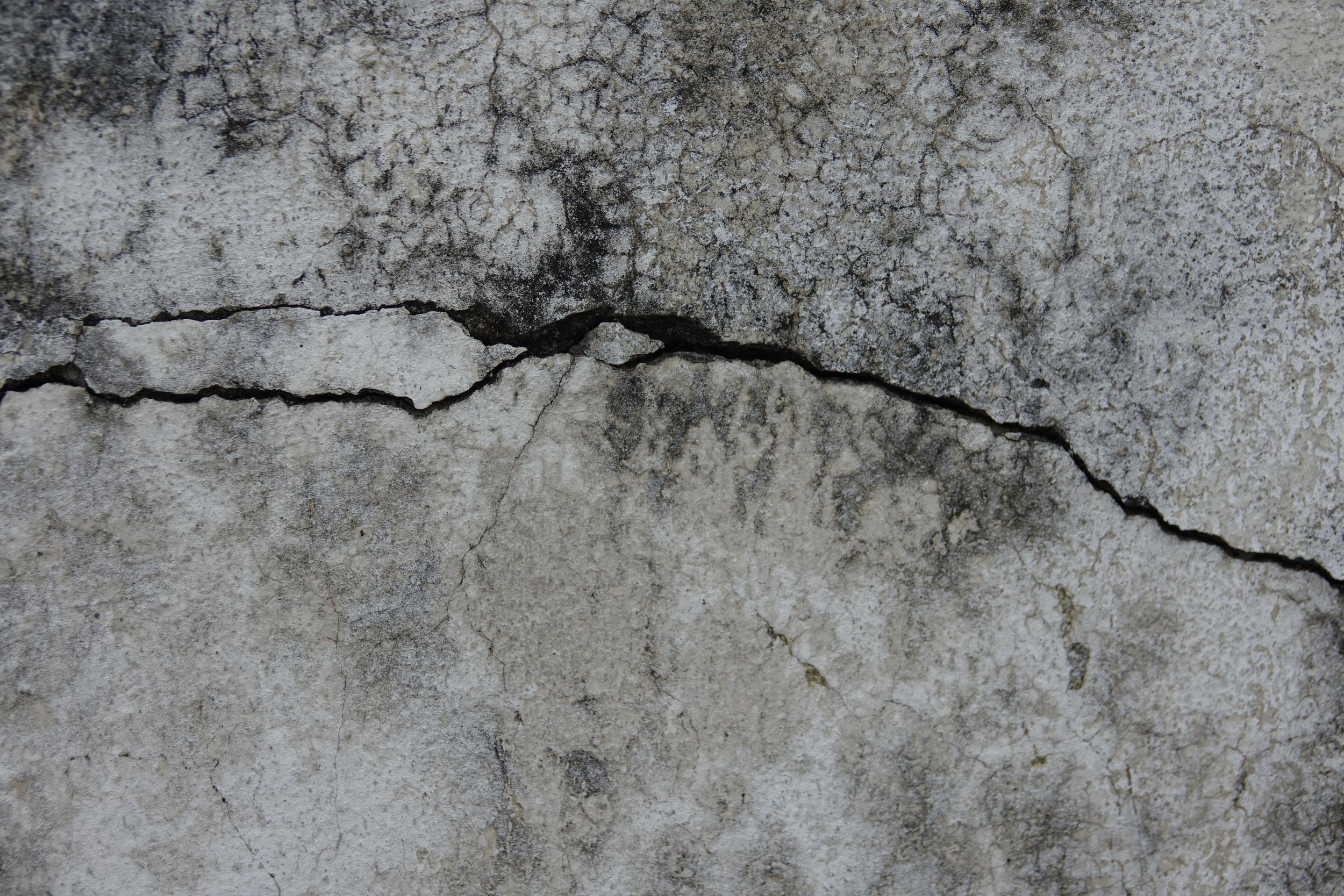
Cracks in the foundation itself provide direct pathways for water entry. These can develop through settling, soil movement, or even tree roots pushing against the structure. A small crack might seem harmless, but water expands when it freezes. During winter months, that tiny opening becomes larger with each freeze and thaw cycle. Pipe penetrations through basement walls are another weak point. The gaps around plumbing lines, electrical conduits, and other utilities need proper sealing to prevent water from sneaking through.
Our process starts with identifying exactly where water is entering and why. Sometimes homeowners call thinking they have a wall leak when the actual source is a plumbing issue on the other side of the house. We use diagnostic methods to trace moisture back to its origin before recommending any repair work. This prevents wasting time and money on fixes that don't address the real problem.
For cracks in concrete walls, we use professional injection methods to seal the damaged area from the inside. The specific approach depends on what we find during inspection, whether the crack is wet or dry, if there's any movement, and how severe the damage is. Done right, this process bonds the concrete and creates a waterproof barrier that prevents future water intrusion. Larger cracks or areas with significant deterioration might require removing and replacing damaged sections before sealing. We don't believe in temporary patches that fail within a year or two. The goal is always a lasting solution that protects your basement for years to come.
Interior solutions concentrate on controlling water that has already penetrated the wall. This includes installing a French drain system along the perimeter of your basement floor, which channels water to a sump pump for removal. The drain itself consists of a perforated pipe set in washed stone below the floor level. This setup intercepts groundwater before it can rise through the floor or seep through wall joints.
Exterior waterproofing addresses the problem from the outside. This involves excavating around the foundation, applying waterproof sealant or membrane to the exterior walls, and installing drainage systems that direct water away from the structure. It's more invasive and costly, but for severe cases or homes with recurring issues despite interior repairs, it provides added protection that interior methods alone can't match. The right approach depends on your specific situation, and sometimes a combination works best.
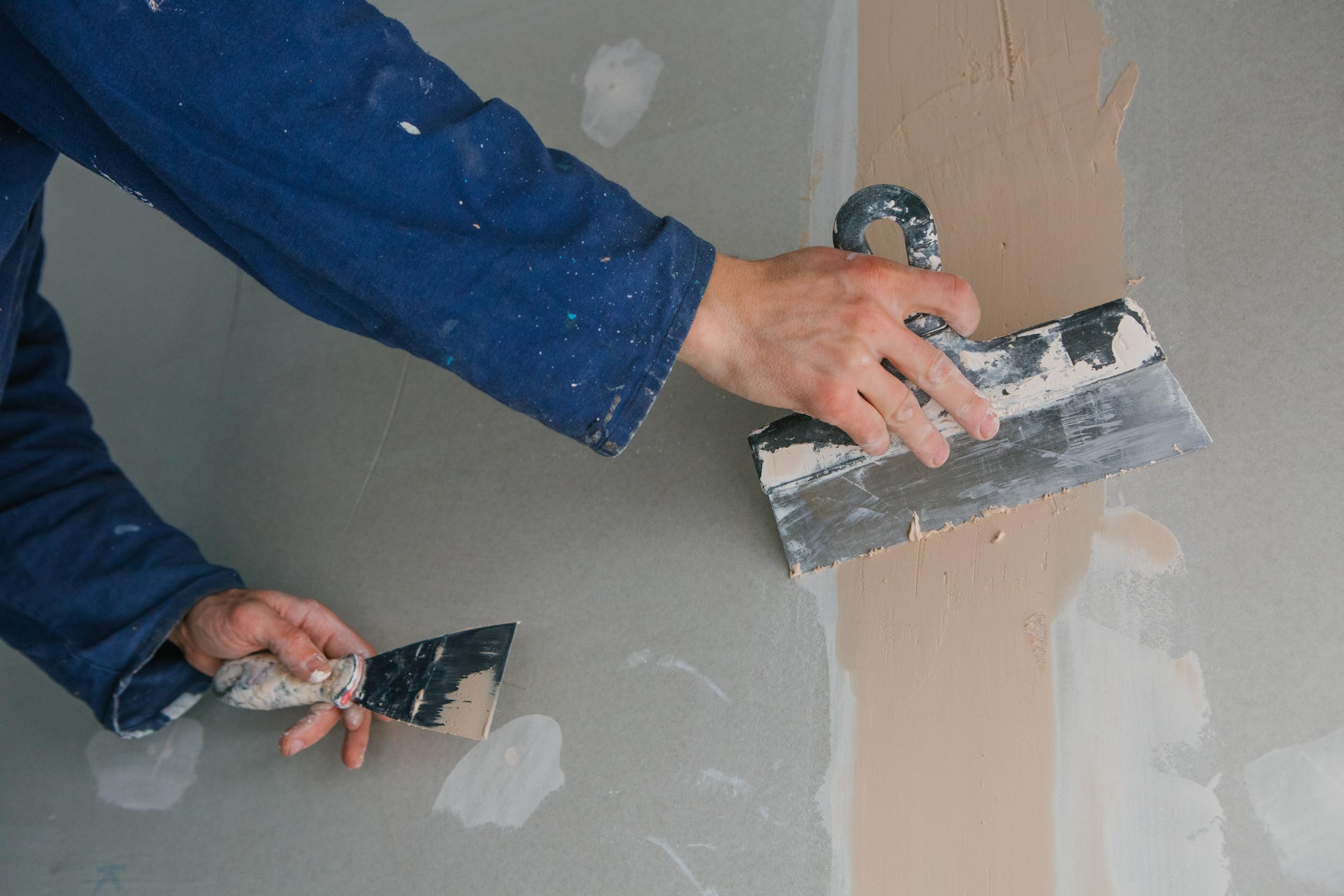
Every project varies depending on the extent of damage and the repair method required. Minor crack repairs might take a few hours, while comprehensive interior drainage installation typically requires one to two days. Our crews have an average tenure exceeding twelve years, so the people working in your home have seen just about every scenario possible. Eastern Waterproofing Co., Inc., sends a company owner to evaluate your situation rather than a commissioned salesperson looking to inflate the estimate.
We explain what we find, what it takes to fix it, and what it costs. We employ no pressure tactics and refrain from unnecessary upselling. We will inform you if a simple repair can solve your problem. If you need a more comprehensive system, we'll explain why and walk you through the options. We thoroughly clean up after finishing the job. Clients regularly mention that we leave work areas cleaner than we found them, which matters when we're working inside your home.
Regular maintenance goes a long way toward avoiding costly damage. Keep gutters clear of debris so water flows properly through downspouts and away from your foundation. Grade the soil around your home so it slopes away from the house rather than toward it. Inspect your basement walls periodically for new cracks, dampness, or any signs of moisture intrusion. Catching potential issues early means simpler, less expensive repairs.
If you have an existing sump pump, test it occasionally to make sure it's functioning correctly. Pour a bucket of clean water into the pit and verify that the pump activates and discharges properly. Check the discharge line to ensure it's directing water far enough from your foundation. These small steps take minimal effort but can prevent major headaches when the next heavy rainstorm hits.
Other Services We Offer:
Don't wait to make your home safer and more valuable. Get in touch with our local experts today for a fast, free, no-obligation quote.
Contact Us Today
