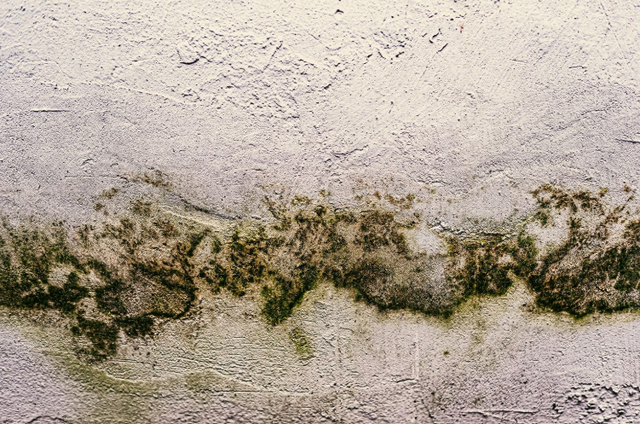
Water showing up in a basement rarely has just one simple explanation. Most of the time, it’s a mix of minor issues stacking up over months or even years. This article walks through the usual sources of basement seepage, how they develop, and why they often go unnoticed at first.
Homeowners often end up calling South Windsor waterproofing experts after seeing the same damp spots come back again and again, even after drying things out. Understanding where the water starts helps explain why those stains keep returning.
Poorly Maintained Gutters and Downspouts
Gutters tend to get ignored until something goes wrong. Leaves collect, dirt settles, and suddenly, water has nowhere to go. Instead of flowing away from the house, it spills over the edge and drops straight down near the foundation.
Downspouts make things worse when they empty too close to the walls. All that water soaks into the soil, presses against the foundation, and slowly finds weak points. It doesn’t happen overnight. It builds after every storm, a little more each time.
Cracks in the Basement Walls
Cracks are one of the most common entry points for water, even small ones. Some come from natural settling, others from pressure in the surrounding soil, and some just form as materials expand and contract over time. Water doesn’t need much space to get through.
Once it finds a crack, it follows it inside. Hairline fractures might only cause dampness, while wider cracks can let in visible moisture. Watching how these cracks change over time matters more than people realize.
Inadequate Grading Around the Foundation
The ground around a home is supposed to slope away, not toward it. When that slope isn’t right, water lingers near the foundation instead of draining off. Soil can settle, landscaping can block runoff, or the original grading may have been done poorly.
Water pooling near the walls increases pressure against the basement. Eventually, that pressure pushes moisture through porous concrete or small gaps. It’s a slow process, but a steady one.
High Water Table Levels
Some areas naturally have groundwater sitting closer to the surface. When that water level rises, pressure builds beneath and around the basement floor. Even solid foundations can struggle under that kind of force.
Water looks for openings, and it usually finds them. This is why some basements stay damp even without heavy rain. Managing groundwater becomes just as important as fixing visible cracks in these situations.
Plumbing Leaks and Burst Pipes
Not all basement moisture comes from outside. Pipes running through walls, ceilings, or floors can leak quietly for a long time. A slow drip might not raise alarms until mold appears or the air starts to smell foul.
Burst pipes are more obvious, especially during cold weather, and they can flood a basement fast. Regular checks help catch these issues early, before moisture spreads into walls and flooring.
Improperly Sealed Windows and Doors
Basement windows and doors sit close to ground level, which puts them right in the path of rain and melting snow. Over time, seals wear out. Caulk cracks. Weather stripping loosens. Water slips through those gaps and ends up inside.
During heavy storms, even small openings can let in more moisture than expected. Keeping these seals in good shape plays a bigger role than many homeowners think.
Related Topics: