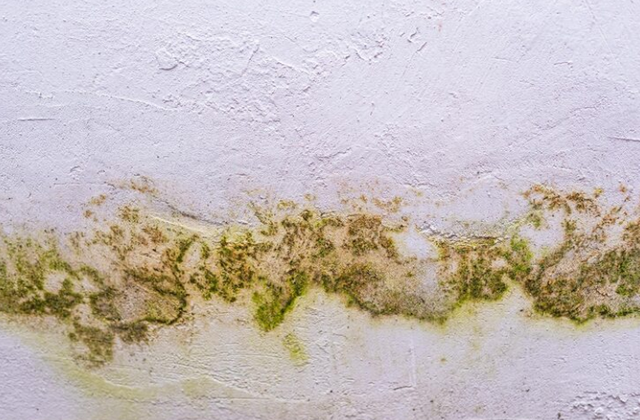
Seepage happens when water starts creeping through materials that aren't fully sealed. Usually, it's a mix of things: soil that drains too fast, water pressure pushing underground, and little cracks forming over time. It's sneaky; you barely notice it until you see damp patches or stains.
People often end up calling waterproofing specialists once they realize the problem isn't going away on its own. Looking at what triggers it helps you figure out what to fix first.
Causes of Seepage
Water finds the easiest path. Sandy soil, gravel, stuff like that, lets it move faster, while clay holds it back. Pressure differences underground: sometimes you can feel it if the basement smells musty or the walls feel damp, pushing water toward the lowest point.
Then there are the little fractures in the ground. Tiny, easy to miss. Water loves those shortcuts. All of this adds up. One small crack, one bad slope, and suddenly you've got seepage you can't ignore.
Types of Seepage Triggers
It's rarely just one thing. A change in water pressure, old foundations, clogged drains, shifting soil, or a rising water table can all start the problem. And usually it's subtle.
Maybe a wall looks fine one week, then the next, there's a damp spot that wasn't there before. The triggers can be sneaky, and if you miss them early, they just keep coming back.
Environmental Factors Influencing Seepage
Weather matters a lot. Heavy rains or snowmelt, especially if the soil around your house drains poorly, can push water right into the basement. Groundwater levels that stay high for weeks put pressure on walls and floors.
Even small changes in the terrain or nearby landscaping can redirect water where you don't want it. All of these things mix together, and sometimes you only notice when the damp spots start showing up indoors.
Structural Vulnerabilities to Seepage
Buildings aren't perfect. Aging walls, poor waterproofing, and old drains that clog easily all make it worse. Tiny cracks in the foundation can let water slip in like it owns the place.
Fixing these weak spots quickly matters because water will keep finding them if you don't. Sometimes, a minor repair here or a little adjustment there stops a lot of trouble before it gets serious.
Seepage in Natural Settings
Seepage doesn't just happen in buildings. In nature, water moves through layers of soil and rock, through porous sandstone, limestone, and even small faults. The slope of the land matters; water flows downhill and collects in low areas.
Geologists look at these things to see where water is likely to show up. Even in the middle of nowhere, seepage is all about finding the path of least resistance.
Managing Seepage Risks
Managing seepage is mostly about paying attention and doing a little maintenance. Keep an eye on damp spots; test soil moisture if you can. Barriers like membranes help in key spots. Watching how water moves around your property helps too.
And, of course, drains inside and out move the water away before it can cause real trouble. It's not one thing that stops it; it's a few small fixes together. That's what keeps a basement dry over time.
Related Topics: