Need Waterproofing Help? Call: (860) 875-6646
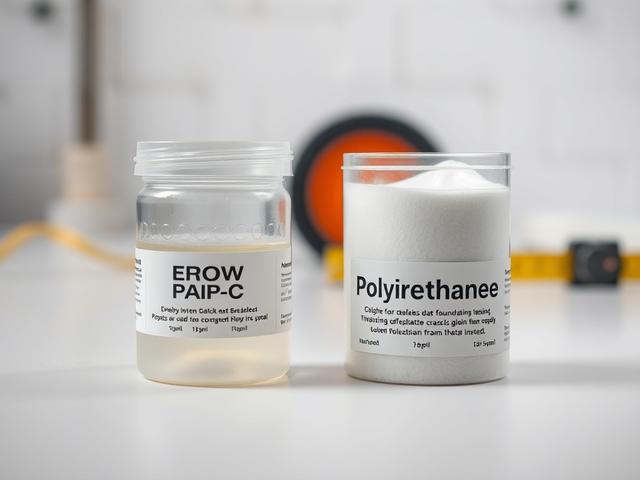
When it comes to repairing foundation cracks, choosing the right injection material is crucial for ensuring long-lasting results. Two of the most commonly used options in the industry are epoxy and polyurethane. Each material has its own unique properties, benefits, and applications, making it essential for homeowners and contractors alike to understand their differences. In this post, we will break down the characteristics of both epoxy and polyurethane crack injection methods, helping you make an informed decision for your foundation repair needs.
As you delve deeper into the world of foundation repair, you’ll discover that selecting the appropriate injection method can significantly impact the durability and effectiveness of your repairs. By learning about the advantages and potential uses of both epoxy and polyurethane crack injections, you can better assess which solution aligns with your specific situation. Join us as we explore these materials and their applications to help you choose the best option for your home.
Understanding epoxy crack injection: Benefits and applications
Epoxy crack injection provides robust and durable solutions for repairing cracks in a variety of concrete structures. It consists of a two-part system that, when mixed, forms a strong adhesive bond that can effectively fill and seal cracks. This method not only restores the structural integrity of foundations but also stops water infiltration, making it an ideal choice for basement and foundation repairs. The high compressive strength of epoxy ensures that the repaired areas can withstand significant loads, making it perfect for commercial and residential applications alike.
Additionally, epoxy crack injection boasts excellent resistance to chemicals, temperature fluctuations, and moisture. This durability enhances its effectiveness in environments where exposure to harsh conditions may occur. Epoxy is commonly used in both structural and non-structural repairs, including bridges, tunnels, and parking garages. By choosing epoxy for crack injection, property owners can achieve long-lasting results that enhance the overall safety and longevity of their structures.
Exploring polyurethane crack injection: Advantages and potential uses
Polyurethane crack injection offers several advantages that make it a popular choice for foundation repairs. One of its key benefits is its flexibility. Polyurethane expands upon curing, allowing it to fill voids and cracks effectively, making it particularly useful for dynamic cracks that may continue to move. This characteristic helps create a water-tight seal, preventing moisture intrusion that can lead to further damage if left unaddressed. Additionally, polyurethane is known for its quick setting time, typically curing within minutes, which minimizes downtime for repairs and allows for immediate restoration of structural integrity.
In terms of applications, polyurethane crack injection is versatile and can be used on various substrates, including concrete, masonry, and even certain types of wood. It works exceptionally well in areas prone to water exposure, such as basement walls and foundation slabs. The adaptability of polyurethane also makes it suitable for repairs in both residential and commercial properties, enabling it to tackle diverse foundation issues. Furthermore, the cost of polyurethane injection tends to be lower than that of epoxy, making it an economical option for homeowners looking for effective solutions to foundation cracks.
Learn the key differences between epoxy and polyurethane crack injection for effective foundation repairs
When considering crack injection methods for foundation repairs, the primary distinction between epoxy and polyurethane lies in their composition and behavior. Epoxy crack injection utilizes a rigid, high-strength resin that chemically bonds with the surrounding concrete, providing exceptional structural support. It effectively fills wide cracks and voids, making it an ideal choice for severe structural damage. In contrast, polyurethane crack injection employs a flexible, foam-like substance that expands upon application. This property allows polyurethane to seep into smaller cracks and gaps, accommodating the natural movement of the foundation and forming a waterproof barrier.
Moreover, the curing time and environmental adaptability further differentiate these methods. Epoxy generally cures faster, allowing for quick repairs under optimal conditions, while polyurethane takes longer but offers better performance in damp conditions. If the foundation has a history of water seepage, polyurethane may be more effective due to its hydrophobic properties. Ultimately, choosing between epoxy and polyurethane crack injection depends on the specific needs of the repair, including the size of the cracks, the presence of moisture, and the desired flexibility of the repair solution. Understanding these differences can help homeowners make informed decisions for effective foundation repairs.