Need Waterproofing Help? Call: (860) 875-6646
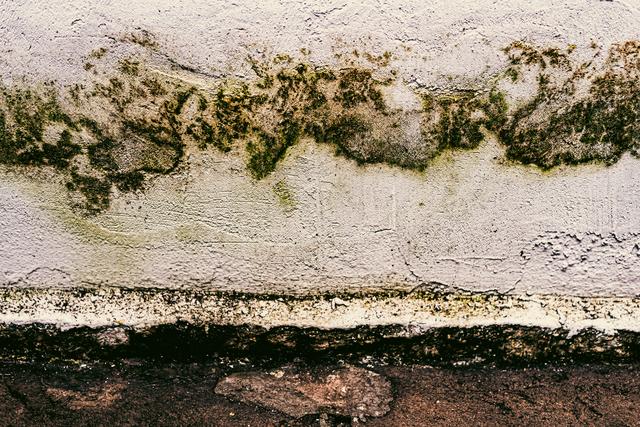
Mold doesn't show up out of nowhere. It follows moisture, and in basements across Manchester and Connecticut, those moisture issues often go unnoticed until the damage has already set in. That's why bringing in an efficient waterproofing team early on can save you a lot of trouble later. A musty smell, chalky white deposits on the walls, or a clammy feel downstairs all point to conditions that mold thrives in, and once it settles, getting rid of it becomes a much bigger job. Waterproofing and mold prevention aren't separate problems. Handle one without the other, and the same issue keeps coming back.
Mold growth requires three things: organic material, warmth, and moisture. The first two exist in virtually every basement in the form of wood framing, drywall, and insulation. Moisture is the variable a waterproofing system controls. When water seeps through a foundation wall, enters at the floor-wall joint from hydrostatic pressure, or migrates through porous masonry, it raises the humidity in the lower level and creates damp surfaces where mold can colonize quickly. Connecticut's clay-heavy soil retains water against foundations longer than most other soil types, which keeps moisture pressure consistent across much of the wet season.
Moisture in a Manchester basement comes from specific sources, and each one has a specific repair. Floor-level seepage from hydrostatic pressure keeps the lower portion of the basement in ongoing contact with groundwater. Wall leaks through cracks and cold pour seams introduce water at concentrated points that spread across the wall surface. Hatchway flooding can bring in large amounts of water in a short period after rain. Window well failures allow water to build up against window frames and enter around the opening. Even chimney cleanout areas can become a steady source of groundwater migration through porous block. Any of these issues, left unresolved, sustains the moisture conditions that mold requires.
The less visible source is capillary moisture, water wicking through masonry without any active drip or pooling. This creates wall dampness that feels minor but produces consistently humid surfaces where mold can develop over time without triggering the alarm that a visible leak would.
A mold remediation without waterproofing treats the symptom. A waterproofing job that does not address what the existing moisture exposure has done to surrounding materials is incomplete. If moisture continues entering after remediation, mold returns. The correct approach starts with removing the moisture source. That means identifying every point where water is entering or accumulating, matching the right repair to each source, and confirming no new moisture pathway exists before treating the mold question as resolved.
When Jon Piela evaluates a job, he is assessing the full picture: where water is entering, what is causing it, and what the moisture conditions in the space look like. His WRT certification, the Water Remediation Technician credential, is a professional qualification specifically in water damage assessment and remediation. That training means the evaluation goes beyond identifying a crack or a wet floor. It includes understanding what the moisture exposure has done to the surrounding area and what needs to happen to return conditions to normal.
We look at all potential entry points during every assessment, not just the most obvious one. Homeowners often find that what appeared to be a single wall leak also has a contributing source from a window well or a hatchway that was not sealing correctly. Addressing only the most visible problem leaves the others active.
Not every moisture problem requires a full drainage system, and not every damp wall requires excavation. The repair depends on the source. Wall coatings and damp-proofing treatments address capillary moisture and minor surface seepage when no active water entry is present behind the wall. Interior drainage systems address hydrostatic pressure from below the floor. Crack injection with polyurethane stops an active leak through a wall crack. Each repair removes the moisture source at a specific location in a specific way.
The worst outcome is applying a surface coating over an active moisture source. A wall coating installed over a leaking crack will fail, and the moisture trapped behind it creates exactly the conditions that support mold growth. This is why the diagnosis comes first, and why the type of repair used matters as much as whether anything is applied at all.
Some signs are obvious. Others are easy to dismiss until the problem has developed further. White chalky deposits on foundation walls, called efflorescence, are a reliable indicator that water is moving through the wall even when no drip is visible. A persistent musty smell without an obvious source is often capillary moisture or gradual seepage. Rust staining on metal surfaces at or near floor level points to moisture exposure at the base of the wall. Peeling paint or bubbling on masonry surfaces means water pressure is working against whatever coating was applied. Any of these, taken on their own, are signs worth addressing before they progress.
The reason basements develop recurring mold problems after treatment is almost always a diagnostic failure at some earlier point. A repair that addresses the wrong entry point, or one that treats only the most visible source while others remain active, leaves moisture conditions unchanged. Mold returns because the conditions that caused it were never fully resolved.
Getting the diagnosis right the first time is the most effective mold prevention strategy there is. That requires someone who looks at the full picture, knows the difference between a symptom and a cause, and has the credentials to tell the two apart. Our owner does that assessment on every job we take on in Manchester and across Connecticut.
Related topics: